


Keep your microwave clean, efficient and reliable with simple care habits that support safe everyday use and consistent heating performance. From wiping spills and controlling food splatter to checking the door seal and using microwave-safe containers, regular maintenance can help protect your appliance and extend its working life.
A few simple habits can help keep your microwave performing properly.
Clean food splashes and spills once the microwave has cooled to prevent stains and odours.
Only use containers and cookware specifically labelled as suitable for microwave use.
Using a microwave-safe cover helps reduce splatter and keeps the interior cleaner.
Keep the door edges and sealing surfaces free from grease, crumbs and food residue.
Operating a microwave without food or liquid inside can damage internal components.
Remove and wash the turntable regularly to prevent grease and food residue from building up.
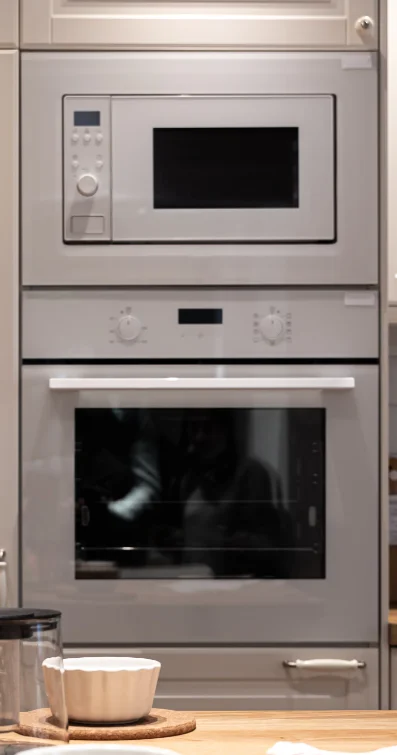

Cosmetic imperfection doesn’t change the need for proper care. All appliances sold by Smart Electrical Clearance Outlet are tested for performance and backed by warranty.
Get in touch with our team if you notice any of the following:
Microwave Not Heating Properly
Turntable Not Rotating
Door Not Closing Securely
Cracked Glass Cooktop Surface
Fault Codes or Operational Issues
Wipe up visible spills after use and give the interior a more thorough clean every one to two weeks, depending on how frequently the microwave is used. Regular cleaning helps control stains, grease and food odours.
Use a soft cloth or sponge with warm water and a mild detergent. For dried-on food, heating a microwave-safe bowl of water for a short period can create steam that helps loosen residue before wiping.
In most cases, no. Metal can cause arcing or sparking and may damage the appliance. Only use metal accessories if they are specifically approved by the microwave manufacturer for that model.
Food splashes and grease can remain on the interior surfaces and continue producing odours. Cleaning the walls, ceiling, turntable and door area usually helps remove lingering smells.
No. Running a microwave empty can cause microwave energy to reflect back into internal components and may damage the appliance. Always ensure food or liquid is inside before operating it.
Uneven heating can happen when food is positioned incorrectly, the turntable is not rotating properly or the power setting is unsuitable. Stirring food and allowing standing time can also improve heat distribution.
Only use plastic containers labelled as microwave-safe. Some plastics can soften, warp or release unwanted substances when exposed to high temperatures.
Cover food when heating, use suitably sized containers and wipe spills promptly. These simple habits significantly reduce grease and food splatter inside the appliance.
No. The same cleaning and maintenance practices apply. Factory-seconds and carton-damaged microwaves should be cared for according to the manufacturer’s instructions, just like any other microwave.



© 2026 Smart Electrical Outlet. | Terms & Conditions | Privacy Policy | All Rights Reserved | Website by SWE