


Keep your air conditioner running efficiently and reliably with simple care habits for regular use. From cleaning filters and maintaining clear airflow to checking the outdoor unit and using sensible temperature settings, routine care can support better cooling, lower running costs and a longer appliance life.
A few simple habits can help your air conditioner cool effectively and operate reliably throughout regular use.
Check and clean accessible filters regularly so dust does not restrict airflow through the unit.
Use a comfortable, practical temperature setting instead of continually pushing the system to extreme settings.
Keep furniture, curtains and other objects away from air outlets and accessible intake areas.
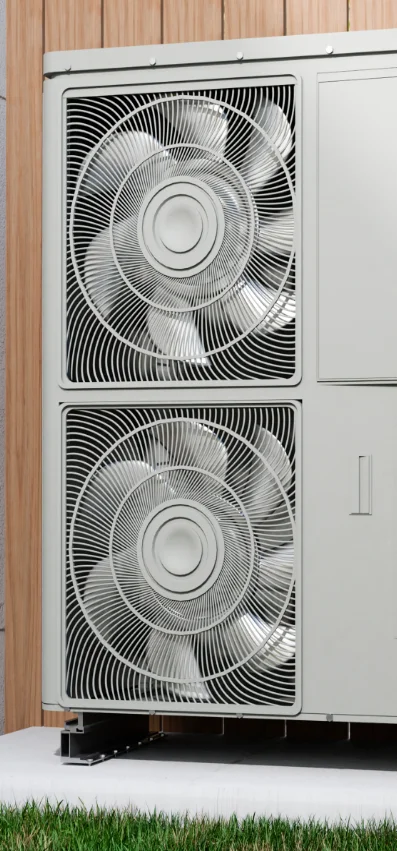
For split systems, keep leaves, plants and loose debris away from the outdoor unit so air can circulate freely.
Check for unexpected dripping or moisture around the indoor unit and seek assistance if leakage persists.
Follow the manufacturer’s maintenance guidance and arrange professional servicing when required.

Cosmetic imperfection doesn’t change the need for proper care. All appliances sold by Smart Electrical Clearance Outlet are tested for performance and backed by warranty.
Get in touch with our team if you notice any of the following:
How often filters need cleaning depends on the air conditioner, how frequently it is used and the environment in your home. Check them regularly during periods of frequent use and follow the cleaning or replacement schedule provided by the manufacturer.
Choose a comfortable setting appropriate for the conditions rather than automatically selecting the lowest possible temperature. Moderate settings generally reduce unnecessary demand on the system, while features such as eco, sleep and timer modes can help manage operation.
Reduced cooling can have several causes, including dirty filters, restricted airflow, incorrect operating settings or a fault requiring professional attention. Start by checking accessible filters, airflow and your selected mode. If performance remains poor, arrange an inspection.
Basic user maintenance such as cleaning accessible filters and wiping the exterior can generally be performed according to the manufacturer’s instructions. Internal electrical, refrigerant and mechanical components should be left to appropriately qualified technicians.
Air conditioners naturally produce condensation, but water should drain correctly during normal operation. Unexpected indoor leakage may indicate a drainage issue, excessive build-up or another problem that requires attention. Persistent leaking should be professionally inspected.
Keep filters clean, maintain clear airflow around indoor and outdoor components, use sensible temperature settings and close doors or windows where appropriate while cooling. Regular maintenance according to the manufacturer’s recommendations can also support efficient operation.
Keep accessible filters clean, maintain space around the air inlets and outlets and ensure the exhaust hose is installed according to the manufacturer’s instructions. If the model collects condensate internally, follow its instructions for drainage and water management.
The area around the outdoor unit should remain clear of leaves, vegetation and stored items that could restrict airflow. Avoid opening the unit or attempting to clean internal electrical or mechanical components yourself. Professional maintenance should be used where required.
No. Factory seconds and carton-damaged air conditioners should be cared for in the same way as other units. Follow the manufacturer’s instructions for operation, filter cleaning and maintenance, and arrange qualified servicing where required.



© 2026 Smart Electrical Outlet. | Terms & Conditions | Privacy Policy | All Rights Reserved | Website by SWE