


Simple care tips to keep your fridge or freezer running efficiently for longer.
A few simple habits can help protect performance and keep your fridge or freezer
working its best after purchase.
Leave space around the appliance for proper ventilation.
Use stable settings and avoid constant adjustments.
Keep seals clean and ensure doors close properly.
Defrost when needed and avoid using sharp tools.
Remove dust from accessible vents or coils regularly.
Transport upright and allow settling time before use.
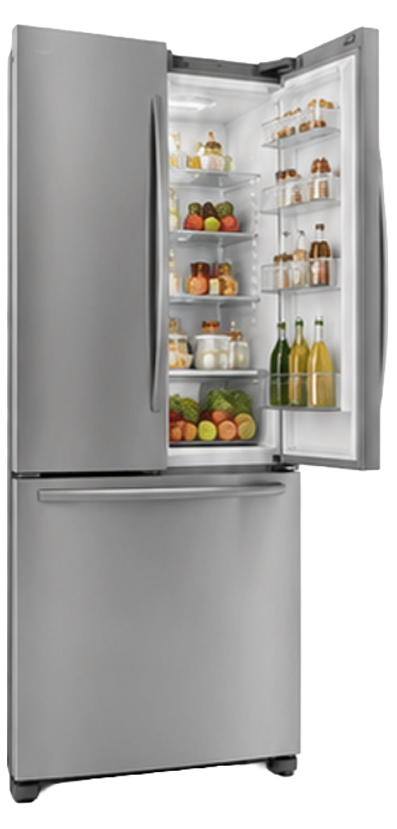

Cosmetic imperfection doesn’t change the need for proper care. All appliances sold by Smart Electrical Clearance Outlet are tested for performance and backed by warranty.
Get in touch with our team if you notice any of the following:
Not Cooling Properly
Unusual Noises
Water or Ice Leaks
Heavy Frost Build-up
Visible Damage After Delivery
It’s recommended to give your fridge a light clean every few weeks and a more thorough clean every three to six months. Wipe shelves, clean door seals, remove expired food and vacuum accessible condenser vents if your appliance manual recommends it.
For most households, the ideal refrigerator temperature is between 3°C and 5°C. This range helps keep food fresh while reducing the risk of bacteria growth. Avoid changing the temperature frequently unless necessary.
Your freezer should generally be maintained at -18°C to -20°C. Keeping your freezer within this range helps preserve frozen food quality and ensures safe long-term storage.
Fridges and freezers need adequate ventilation to release heat generated during operation. Blocking airflow can force the appliance to work harder, increase electricity consumption and shorten its lifespan. Always leave the recommended clearance around the sides, rear and top.
If the door doesn’t close properly, feels loose, shows visible cracks or allows warm air inside, the seal may need replacing. Damaged seals make the compressor work harder and can increase energy costs.
Yes. Excessive frost reduces storage space and makes your freezer less efficient. If your appliance isn’t frost-free, defrost it whenever ice becomes thick, following the manufacturer’s instructions.
It’s always best to transport a fridge in an upright position. If it must be laid down, allow it to stand upright for at least 2 to 4 hours before switching it on so the internal refrigerant and compressor oil can settle.
Some sounds are completely normal, including humming, clicking and occasional popping as the appliance cycles. However, loud buzzing, knocking or continuous unusual noises could indicate a fault and should be inspected.
Regular cleaning, maintaining the correct temperature, checking door seals, ensuring proper airflow and avoiding overloading the appliance all help improve efficiency and extend its lifespan.
No. Whether your appliance is factory seconds, carton damaged or refurbished, the recommended care and maintenance remain the same. Regular cleaning and correct operation will help maximise performance and longevity.
You should contact support if your appliance is no longer cooling properly, develops water leaks, has excessive frost build-up, makes persistent unusual noises or shows signs of physical damage after delivery.
If your model has accessible condenser vents or coils, cleaning them every 6 to 12 months can help improve energy efficiency and cooling performance. Always unplug the appliance before cleaning and follow the manufacturer’s recommendations.



© 2026 Smart Electrical Outlet. | Terms & Conditions | Privacy Policy | All Rights Reserved | Website by SWE