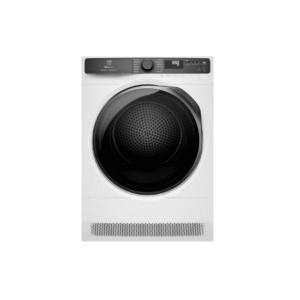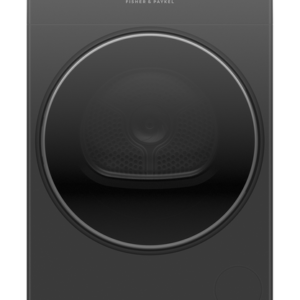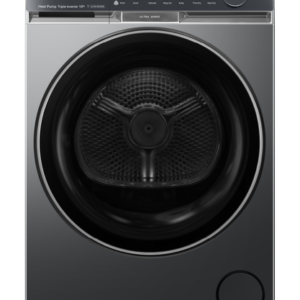



Showing 1–12 of 49 results
Find dryers for everyday laundry, wet weather, apartment living and homes with limited outdoor drying space. Compare heat pump dryers, vented dryers and sensor drying models by capacity, running costs, ventilation needs and installation space. The range may include clearance, factory seconds and carton-damaged dryers, with full manufacturer warranty still included and an optional additional 2-year warranty available.
The main choice is usually between a heat pump dryer and a vented dryer. Heat pump dryers are popular for energy efficiency and regular use, while vented dryers can suit buyers wanting a simpler dryer at a lower upfront price. The best choice depends on your laundry space, ventilation, drying habits and budget.
Heat pump dryers can be worth it if you use a dryer regularly. They usually cost more upfront but are designed to use less energy than conventional dryers, which can help reduce running costs over time. They also dry at lower temperatures, which can be gentler on clothing.
Yes, vented dryers can still be a practical option for occasional use, smaller budgets or well-ventilated laundries. They are usually cheaper to buy than heat pump dryers, but they release warm, moist air, so they need good ventilation or a suitable venting setup.
Dryer capacity should match your household size and laundry habits. Smaller households may suit a 5kg to 7kg dryer, while families often need 8kg or larger for towels, bedding and bigger loads. It also helps to compare dryer capacity with your washing machine capacity.
Vented dryers need good ventilation because they release warm, moist air into the laundry or through a venting kit. Heat pump dryers usually do not need the same external venting setup, but they still need enough clearance and airflow around the appliance. Always check the manufacturer installation guide before buying.
Some vented dryers can be wall mounted, depending on the model and bracket requirements. Heat pump dryers are generally heavier and are usually stacked with an approved stacking kit instead. Before planning your laundry layout, check the product specifications and installation requirements.
Sensor drying uses moisture sensors to help stop the dryer when clothes reach the selected dryness level. This can reduce over-drying, help protect fabrics and avoid running the dryer longer than needed. It is a useful feature for towels, mixed loads and everyday laundry.
Heat pump dryers can take longer than some vented dryers, depending on the load size, fabric type and program. The trade-off is that they are usually more energy efficient and use lower drying temperatures. If speed matters, compare cycle times as well as energy ratings.
Use the Energy Rating Label to compare dryers of a similar capacity. A larger dryer can still use more energy overall, even with a good star rating, so compare size, usage and efficiency together. The Energy Rating website and Energy Rating Calculator can help with estimated running costs.
Factory seconds and carton-damaged dryers can be good value if the model suits your laundry, drying needs and budget. Check the condition notes, door, drum, lint filter, control panel, feet, exterior panels and included accessories. These products still include the full manufacturer warranty, with an optional additional 2-year warranty available for extra peace of mind.



© 2026 Smart Electrical Outlet. | Terms & Conditions | Privacy Policy | All Rights Reserved | Website by SWE