


Showing 13–23 of 23 results
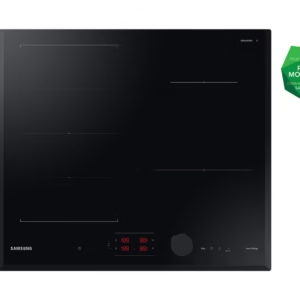
Gas cooktops use an open flame and allow direct heat adjustments. Induction cooktops use electromagnetic technology to heat compatible cookware, offering fast, responsive cooking. Ceramic electric cooktops use heated elements beneath a smooth glass surface. The right choice depends on your cooking style, existing connections, cookware and budget.
A 60cm cooktop is a practical option for many standard kitchens and typically provides three or four cooking zones. A 90cm cooktop offers more space for larger pans and cooking multiple dishes, with some models providing five or more zones. Check the actual appliance dimensions and installation cut-out before purchasing.
Yes, but you must check the new cooktop's cut-out dimensions, mounting requirements and connections. Two cooktops advertised as 60cm wide may require different benchtop openings. A qualified installer should confirm compatibility before you purchase a replacement.
Yes. Induction cooking requires cookware with a magnetic base, such as compatible stainless steel or cast iron. A simple way to check is to see whether a magnet sticks firmly to the base of your pan. Some aluminium, copper and glass cookware will not work unless specifically designed for induction.
Not necessarily. Some gas cooktops are supplied specifically for natural gas or LPG, while others may support conversion using an approved conversion kit. Always confirm the model's fuel compatibility before purchasing and use an appropriately licensed gasfitter for installation or conversion.
Some induction cooktops require a dedicated electrical circuit or a higher-rated connection than an existing electric cooktop. Requirements depend on the model's power rating and your home's electrical setup. Have a licensed electrician check your installation before buying, particularly when switching from gas to induction.
Look for cooking zones that suit your pans, responsive heat controls, timers and appropriate safety features. Induction models may include PowerBoost, flexible cooking zones and pan detection, while gas models may offer wok burners, flame-failure protection and removable trivets. Choose features you will genuinely use rather than paying extra for unnecessary functions.
Smooth glass cooktops are generally easy to wipe clean, but they require suitable cleaning products and care to avoid scratches. Gas-on-glass cooktops also need regular cleaning around burners and trivets. Avoid abrasive cleaning tools and follow the manufacturer's instructions. Our Cooktops Care Guide provides more maintenance advice.
Check the glass or stainless steel surface, cooking zones, controls, burner components, trivets and any condition notes. For carton-damaged models, confirm whether the appliance itself has any marks or whether the damage is limited to the packaging. Factory seconds and carton-damaged cooktops still include the full manufacturer warranty, with an optional additional 2-year warranty available.
Built-in cooktops generally require professional installation because of electrical, gas and benchtop requirements. Hardwired electric and induction cooktops need a licensed electrician, while gas connections require an appropriately licensed gasfitter. Confirm the installation requirements before purchasing and arrange installation through a qualified professional.



© 2026 Smart Electrical Outlet. | Terms & Conditions | Privacy Policy | All Rights Reserved | Website by SWE